

服務(wù)熱線




濟(jì)南機(jī)柜優(yōu)化指南:安裝布局、布線設(shè)計(jì)等一站式解決!
發(fā)布時(shí)間:2025-12-19 來源:http://m.cr4.com.cn/ 瀏覽量:
01
01
機(jī)箱機(jī)柜概述
Overview of Chassis and Cabinet
機(jī)箱機(jī)柜是存放計(jì)算機(jī)和相關(guān)控制設(shè)備。用于容納電氣或電子設(shè)備的獨(dú)立式或自支撐的機(jī)殼。機(jī)箱機(jī)柜一般配置門、可拆或不可拆的側(cè)板和背板。機(jī)箱機(jī)柜是電氣設(shè)備中不可或缺的組成部分,是電氣控制設(shè)備的載體。一般由冷軋鋼板或合金制作而成。可以提供對存放設(shè)備的防水、防塵、防電磁干擾等防護(hù)作用。機(jī)箱機(jī)柜一般分為服務(wù)器機(jī)箱機(jī)柜、網(wǎng)絡(luò)機(jī)箱機(jī)柜、控制臺(tái)機(jī)箱機(jī)柜等。
The chassis cabinet is used to store computers and related control equipment. A standalone or self-supporting enclosure used to accommodate electrical or electronic equipment. Chassis cabinets are generally equipped with doors, removable or non removable side panels, and backboards. The chassis cabinet is an indispensable component of electrical equipment and the carrier of electrical control equipment. Generally made of cold-rolled steel plates or alloys. It can provide protection against water, dust, and electromagnetic interference for storage devices. Chassis cabinets are generally divided into server chassis cabinets, network chassis cabinets, console chassis cabinets, etc.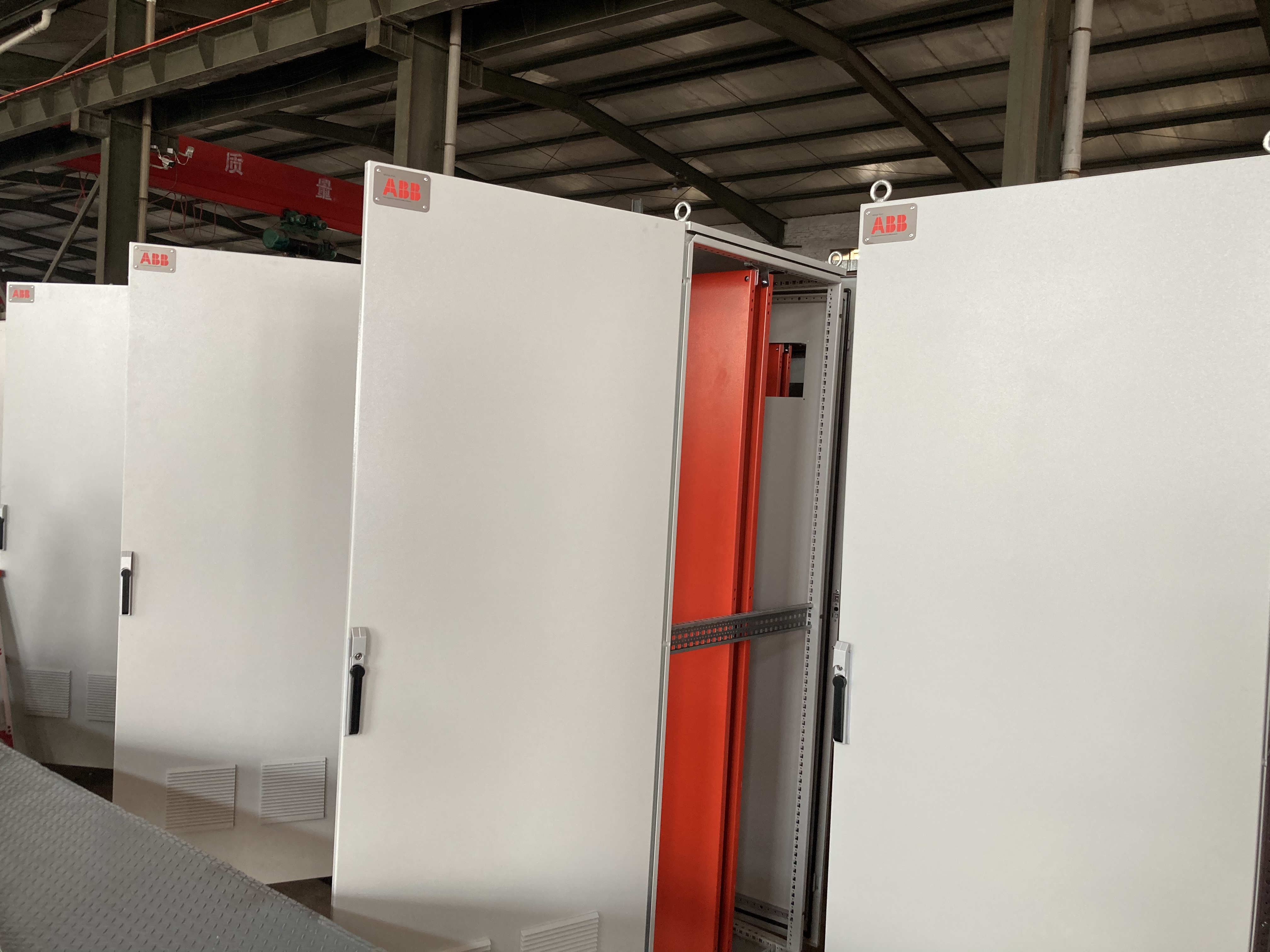
02
02
機(jī)箱機(jī)柜組成與布局原則
Composition and layout principles of chassis and cabinet
不同標(biāo)準(zhǔn)的機(jī)箱機(jī)柜在結(jié)構(gòu)和部件組成上稍有差異,但一般情況,常見的機(jī)箱機(jī)柜包括前門、機(jī)架和后門組成。有些專用的機(jī)箱機(jī)柜還會(huì)包含PDU、電源、散熱系統(tǒng)、管理系統(tǒng)等。
Different standards of chassis cabinets have slight differences in structure and component composition, but in general, common chassis cabinets consist of front doors, racks, and rear doors. Some specialized chassis cabinets also include PDUs, power supplies, cooling systems, management systems, etc.
弱電機(jī)房機(jī)箱機(jī)柜布局的基本原則和設(shè)計(jì)要求如下?:?布局原則?:1)分類合設(shè):弱電機(jī)房應(yīng)分類合設(shè),例如布線、電話、數(shù)據(jù)、消防控制、安保、樓控、廣播等應(yīng)分別設(shè)置?。?2)擴(kuò)展空間?:機(jī)房面積應(yīng)留有擴(kuò)展空間,以便未來設(shè)備增加?。
The basic principles and design requirements for the layout of weak current machine room chassis and cabinets are as follows? :? Layout principles? Classification and integration: The weak current computer room should be classified and integrated, such as wiring, telephone, data, fire control, security, building control, broadcasting, etc. should be set up separately?.? 2) Expanding space? Should there be expansion space in the computer room area to accommodate future equipment additions?.
?3)位置選擇?:機(jī)房應(yīng)靠近負(fù)荷中心,進(jìn)出線方便,避免設(shè)在廁所、浴室等潮濕場所的正下方或貼鄰?。4)設(shè)備吊裝、運(yùn)輸方便?:機(jī)房應(yīng)便于設(shè)備吊裝和運(yùn)輸?。?具體設(shè)計(jì)?:1)機(jī)箱機(jī)柜內(nèi)部布局?:機(jī)箱機(jī)柜內(nèi)部應(yīng)合理規(guī)劃設(shè)備擺放順序,如光纖配線架、110配線架、24口模塊式配線架、理線器及交換機(jī)的位置和排列順序?。2)線纜固定方式?:所有線纜應(yīng)采用固線器方式固定,要求自上而下排線,左右均勻分線?。?3)機(jī)箱機(jī)柜安裝方式?:機(jī)箱機(jī)柜可采用下進(jìn)線或上進(jìn)線方式,具體方式根據(jù)實(shí)際情況選擇?。
3) Location selection? The computer room should be located near the load center, with convenient access to incoming and outgoing lines, and avoid being placed directly below or adjacent to damp places such as toilets and bathrooms?. 4) Is equipment lifting and transportation convenient? The computer room should be convenient for equipment lifting and transportation?.? Specific design? What is the internal layout of the chassis cabinet? The placement order of equipment inside the chassis cabinet should be reasonably planned, such as the position and arrangement order of fiber optic distribution frames, 110 distribution frames, 24 port modular distribution frames, cable managers, and switches?. 2) Cable fixing method? All cables should be fixed with cable clamps, and it is required to be laid from top to bottom and evenly divided on both sides?.? 3) How to install the chassis cabinet? Can the chassis cabinet be wired in either a downward or upward manner, depending on the actual situation?.
03
03
機(jī)箱機(jī)柜安裝要求
Installation requirements for chassis and cabinet
1、 機(jī)箱機(jī)柜安裝前必須檢查機(jī)箱機(jī)柜排風(fēng)設(shè)備是否完好,設(shè)備托板數(shù)量是否齊全以及滑輪、支撐柱是否完好等。
1. Before installing the chassis cabinet, it is necessary to check whether the exhaust equipment of the chassis cabinet is intact, whether the number of equipment pallets is complete, and whether the pulleys and support columns are intact.
2、 機(jī)箱機(jī)柜型號(hào)、規(guī)格、安裝位置、應(yīng)符合設(shè)計(jì)要求。
2. The model, specifications, installation location of the chassis and cabinet should meet the design requirements.
3、 機(jī)箱機(jī)柜安裝垂直偏差度應(yīng)不大于3mm、水平誤差不應(yīng)大于2mm。幾個(gè)機(jī)箱機(jī)柜并排在一起,面板應(yīng)在同一平面上并與基準(zhǔn)線平行,前后偏差不得大于3mm;兩個(gè)機(jī)箱機(jī)柜中間縫隙不得大于3mm。對于相互有一定間隔而排成一列的設(shè)備,其面板前后偏差不得大于5mm;
3. The vertical deviation of the installation of chassis cabinets should not exceed 3mm, and the horizontal error should not exceed 2mm. Several chassis cabinets should be placed side by side, and the panels should be on the same plane and parallel to the reference line. The front to back deviation should not exceed 3mm; the gap between two chassis cabinets should not exceed 3mm. For equipment arranged in a row with a certain distance from each other, the front to back deviation of the panels should not exceed 5mm;
4、 機(jī)箱機(jī)柜的各種零件不得脫落或碰壞,漆面如有脫落應(yīng)預(yù)以補(bǔ)漆,各種標(biāo)志應(yīng)完整、清晰;5、 機(jī)箱機(jī)柜安裝應(yīng)牢固,有抗震要求時(shí),按施工圖的抗震設(shè)計(jì)進(jìn)行加固;
4. All parts of the chassis and cabinet must not fall off or be damaged. If the paint surface falls off, it should be repainted in advance, and all markings should be complete and clear; 5. The installation of chassis and cabinets should be firm. If there are seismic requirements, reinforcement should be carried out according to the seismic design in the construction drawing;
6、 機(jī)箱機(jī)柜不宜直接安裝在活動(dòng)地板上,宜按設(shè)備的底平面尺寸制作底座,底座直接與地面固定,機(jī)箱機(jī)柜固定在底座上,然后鋪設(shè)活動(dòng)地板;
6. The chassis cabinet should not be directly installed on the raised floor. It is advisable to make a base according to the bottom plane size of the equipment, fix the base directly to the ground, fix the chassis cabinet on the base, and then lay the raised floor;
7、 安裝機(jī)箱機(jī)柜面板,架前應(yīng)預(yù)留有800mm空間,機(jī)箱機(jī)柜背面離墻距離應(yīng)大于600mm,以便于安裝和施工;
7. Install the chassis cabinet panel, with a reserved space of 800mm in front of the rack. The distance between the back of the chassis cabinet and the wall should be greater than 600mm for easy installation and construction;
8、 壁掛式機(jī)箱機(jī)柜距地面宜為1200mm;
8. The distance between the wall mounted chassis cabinet and the ground should be 1200mm;
9、 機(jī)箱機(jī)柜內(nèi)的設(shè)備、部件的安裝,應(yīng)在機(jī)箱機(jī)柜定位完畢并固定后進(jìn)行,安裝在機(jī)箱機(jī)柜內(nèi)的設(shè)備應(yīng)牢固。
9. The installation of equipment and components inside the chassis cabinet should be carried out after the chassis cabinet is positioned and fixed, and the equipment installed inside the chassis cabinet should be firm.
10、 機(jī)箱機(jī)柜上的固定螺絲、墊片和彈簧墊圈均應(yīng)按要求緊固不得遺漏;機(jī)箱機(jī)柜要做好防雷接地保護(hù)。
10. The fixing screws, washers, and spring washers on the chassis and cabinet should be tightened as required without omission; The chassis and cabinets should be well protected against lightning and grounding.
11、懸掛式壁掛安裝應(yīng)安裝在平整堅(jiān)固的墻面上,距離地面少300mm,保持與墻面水平、垂直,垂直偏差應(yīng)小于3mm。
11. Hanging wall mounted installation should be installed on a flat and sturdy wall surface, at least 300mm away from the ground, kept horizontal and vertical to the wall surface, with a vertical deviation of less than 3mm.
12、 墻體上開孔應(yīng)避免破壞墻體內(nèi)管線,開孔深度不得低于70mm,固定機(jī)箱機(jī)柜所用膨脹螺絲釘不得少于4個(gè)(懸掛式C型機(jī)箱機(jī)柜為6個(gè))。必要時(shí)須在機(jī)箱機(jī)柜下放置支撐物,以保證機(jī)箱機(jī)柜的穩(wěn)固。
12. The openings on the wall should avoid damaging the pipelines inside the wall, and the depth of the openings should not be less than 70mm. The number of expansion screws used to fix the chassis and cabinets should not be less than 4 (6 for suspended C-type chassis and cabinets). If necessary, supports must be placed under the chassis cabinet to ensure the safety and stability of the chassis cabinet.
13、 落地式柜體安裝,安裝基座時(shí)要綜合考慮機(jī)箱機(jī)柜的開門方向和操作便利性,優(yōu)先考慮配線艙的開門方向。設(shè)備艙門和配線艙門必須能完全開啟。?柜體安裝完畢應(yīng)做好標(biāo)識(shí),標(biāo)識(shí)應(yīng)統(tǒng)一、清晰、美觀。機(jī)箱安裝完畢后,柜體進(jìn)出線纜孔洞應(yīng)采用防火膠泥封堵。做好防鼠、防蟲、防水和防潮處理。
13. When installing a floor standing cabinet, the opening direction and ease of operation of the chassis cabinet should be comprehensively considered when installing the base, with priority given to the opening direction of the wiring compartment. The equipment cabin door and wiring cabin door must be able to be fully opened.? The cabinet should be properly labeled after installation, and the labeling should be uniform, clear, and aesthetically pleasing. After the installation of the chassis, the cable holes in and out of the cabinet should be sealed with fireproof adhesive. Take measures to prevent rodents, insects, water, and moisture.
04
04
常用型號(hào)機(jī)箱機(jī)柜設(shè)備布局實(shí)例
Example of Equipment Layout for Common Model Chassis Cabinet
這里面我們列舉下,27U、42U、47U機(jī)箱機(jī)柜的布局CAD圖詳解。
Here we list the detailed CAD drawings of the layout of the 27U, 42U, and 47U chassis cabinets.
27U機(jī)箱機(jī)柜:42U機(jī)箱機(jī)柜:47U機(jī)箱機(jī)柜:
27U chassis cabinet: 42U chassis cabinet: 47U chassis cabinet:
05
05
機(jī)箱機(jī)柜散熱設(shè)計(jì)的重要性
The importance of chassis and cabinet heat dissipation design
保障設(shè)備穩(wěn)定運(yùn)行:散熱不良會(huì)導(dǎo)致設(shè)備溫度過高,影響設(shè)備性能,甚引發(fā)設(shè)備故障。延長設(shè)備使用壽命:高溫環(huán)境下,設(shè)備元器件老化速度加快,降低設(shè)備使用壽命。減排:合理的散熱設(shè)計(jì)有助于降低設(shè)備功耗,減少能源消耗。提高機(jī)房整體運(yùn)行效率:良好的機(jī)箱機(jī)柜散熱設(shè)計(jì)有助于降低機(jī)房溫度,提高機(jī)房整體運(yùn)行效率。
Ensure stable operation of equipment: Poor heat dissipation can lead to high equipment temperature, affecting equipment performance and even causing equipment failure. Extend the service life of equipment: In high temperature environments, the aging rate of equipment components accelerates, reducing the service life of equipment. Energy saving and emission reduction: Reasonable heat dissipation design can help reduce equipment power consumption and energy consumption. Improving the overall operational efficiency of the computer room: Good heat dissipation design of the chassis and cabinets helps to reduce the temperature of the computer room and improve the overall operational efficiency of the computer room.
06
06
機(jī)箱機(jī)柜散熱設(shè)計(jì)優(yōu)化策略
Optimization strategy for heat dissipation design of chassis and cabinet
合理布局設(shè)備:根據(jù)設(shè)備功耗、發(fā)熱量等因素,合理布局機(jī)箱機(jī)柜內(nèi)設(shè)備,確保散熱效果。1)高功耗設(shè)備盡量放置在機(jī)箱機(jī)柜上部,便于熱量上升。2)設(shè)備之間保持適當(dāng)間距,避免熱量積聚。優(yōu)化散熱設(shè)計(jì):采用以下散熱設(shè)計(jì),提高機(jī)箱機(jī)柜散熱性能:1)增加散熱通道:設(shè)置合理的散熱通道,提高空氣流通速度。2)采用熱管散熱:利用熱管技術(shù),將熱量快速傳遞散熱鰭片3)使用散熱風(fēng)扇:合理配置散熱風(fēng)扇,增強(qiáng)機(jī)箱機(jī)柜內(nèi)部空氣流動(dòng)。選用高性能散熱材料:選用導(dǎo)熱系數(shù)高、散熱性能好的材料,提高機(jī)箱機(jī)柜散熱效果。智能化監(jiān)控:引入智能化監(jiān)控系統(tǒng),實(shí)時(shí)監(jiān)測機(jī)箱機(jī)柜內(nèi)溫度、濕度等參數(shù),自動(dòng)調(diào)整散熱策略。
Reasonable layout of equipment: Based on factors such as power consumption and heat generation, arrange the equipment in the chassis and cabinet reasonably to ensure effective heat dissipation. 1) High power devices should be placed on the top of the chassis cabinet as much as possible to facilitate heat dissipation. 2) Maintain appropriate spacing between devices to avoid heat accumulation. Optimize heat dissipation design: Adopt the following heat dissipation design to improve the heat dissipation performance of the chassis and cabinet: 1) Increase heat dissipation channels: Set reasonable heat dissipation channels to improve air circulation speed. 2) Using heat pipe cooling: Utilizing heat pipe technology to quickly transfer heat to the cooling fins. 3) Using cooling fans: Reasonably configuring cooling fans to enhance air flow inside the chassis and cabinet. Choose high-performance heat dissipation materials: Use materials with high thermal conductivity and good heat dissipation performance to improve the heat dissipation effect of the chassis and cabinet. Intelligent monitoring: Introducing an intelligent monitoring system to monitor real-time parameters such as temperature and humidity inside the chassis and cabinets, and automatically adjust the cooling strategy.
07
07
機(jī)箱機(jī)柜規(guī)范布線的重要性
The importance of standardized wiring for chassis cabinets
機(jī)箱機(jī)柜系統(tǒng)性地解決了計(jì)算機(jī)應(yīng)用中的高密度散熱、大量線纜附設(shè)和管理、大容量配電及兼容不同廠商機(jī)架式設(shè)備的難題,從而使數(shù)據(jù)中心能夠在高穩(wěn)定性的環(huán)境下運(yùn)行。隨著互聯(lián)網(wǎng)產(chǎn)業(yè)的大力發(fā)展,服務(wù)器、交換機(jī)等網(wǎng)絡(luò)產(chǎn)品的升級(jí),所使用的機(jī)箱機(jī)柜要比以前要容納更多的設(shè)備,隨著設(shè)備的不斷增加,機(jī)箱機(jī)柜布線更需要布設(shè)得井井有條。機(jī)箱機(jī)柜布線內(nèi)的電纜如果布設(shè)得不好、不夠系統(tǒng),不僅會(huì)導(dǎo)致電纜的損壞或者延長增加可更換電纜的時(shí)間,嚴(yán)重的還會(huì)阻礙氣流通過導(dǎo)致設(shè)備過熱而停機(jī)等現(xiàn)象。
The chassis cabinet systematically solves the problems of high-density heat dissipation, extensive cable attachment and management, large capacity power distribution, and comprehensive compatibility with rack mounted equipment from different factories in computer applications, enabling data centers to operate in a highly stable environment. With the vigorous development of the Internet industry and the upgrading of servers, switches and other network products, the chassis and cabinets used to accommodate more equipment than before. With the continuous increase of equipment, the chassis and cabinet wiring needs to be arranged in order. If the cables inside the chassis cabinet are not properly laid out and not systematic enough, it will not only cause cable damage or prolong the time for replacing cables, but also seriously hinder the passage of air flow, leading to equipment overheating and shutdown.
08
08
機(jī)箱機(jī)柜理線工藝
Chassis cabinet wiring process
機(jī)箱機(jī)柜整理中,常見的理線工藝有三種:?
There are three common wiring processes in chassis and cabinet organization:?
一、瀑布造型?這是一種比較古老的布線造型,有時(shí)還能看到其蹤影。它采用了“花果山水簾洞”的藝術(shù)形象,從配線架的模塊上直接將雙絞線垂蕩下來,分布整齊時(shí)有一種很漂亮的層次感(每層24-48根雙絞線)。?
1、 Waterfall design? This is a relatively ancient wiring design, and sometimes its traces can still be seen. It adopts the artistic image of "Flower Fruit Mountain Water Curtain Cave", where twisted pair cables are hung directly from the modules of the distribution frame, creating a beautiful sense of hierarchy when distributed neatly (24-48 twisted pair cables per layer).?
這種造型的優(yōu)點(diǎn)是節(jié)省理線人工,缺點(diǎn)則比較多。
The advantage of this design is that it saves on manual line management, but it has many disadvantages.
例如:(1)、安裝網(wǎng)絡(luò)設(shè)備時(shí)容易破壞造型,甚出現(xiàn)不易將網(wǎng)絡(luò)設(shè)備安裝到位的現(xiàn)象;(2)、每根雙絞線的重量全部變成拉力,作用在模塊的后側(cè)。如果在端接點(diǎn)之前沒有(3)、對雙絞線進(jìn)行綁扎,那么這一拉力有可能會(huì)在數(shù)月、數(shù)年后將模塊與雙絞線分離,引起斷線故障;(4)、萬一在該配線架中某一個(gè)模塊需要重新端接,那維護(hù)人員只能探入“水簾”內(nèi)進(jìn)行施工,有時(shí)會(huì)身披數(shù)十根雙絞線,而且因雙向沒有光源,造成端接時(shí)看不清。
For example: (1) When installing network equipment, it is easy to damage the shape, and even difficult to install the network equipment in place; (2) The weight of each twisted pair cable is converted into tension, which acts on the rear side of the module. If the twisted pair cable is not tied before the termination point (3), this tension may separate the module from the twisted pair cable months or years later, causing a wire breakage fault; (4) If a module in the distribution frame needs to be re terminated, maintenance personnel can only enter the "water curtain" for construction, sometimes wearing dozens of twisted pair wires, and due to the lack of light sources in both directions, it is difficult to see the termination clearly.
二、逆向理線?逆向理線是在配線架的模塊端接完畢后,并通過測試后,再進(jìn)行機(jī)箱機(jī)柜理線。其方法是從模塊開始向機(jī)箱機(jī)柜外理線,同時(shí)橋架內(nèi)也進(jìn)行理線。
2、 Reverse reasoning? Reverse wiring is the process of wiring the chassis and cabinet after the modules of the patch panel are terminated and tested. The method is to start wiring from the module to the outside of the chassis cabinet, while also wiring inside the cable tray.
這樣做的優(yōu)點(diǎn)是理線在測試后,不會(huì)因某根雙絞線測試通不過而造成重新理線,而缺點(diǎn)是由于兩端(進(jìn)線口和配線架)已經(jīng)固定,在機(jī)房內(nèi)的某一處必然會(huì)出現(xiàn)大量的亂線(一般在機(jī)箱機(jī)柜的底部)。
The advantage of doing this is that after testing, the wiring will not be re routed due to a twisted pair cable failing the test. However, the disadvantage is that since both ends (inlet and distribution frame) are already fixed, there will inevitably be a large number of tangled wires in a certain part of the computer room (usually at the bottom of the chassis).
逆向理線一般為人工理線,憑借肉眼和雙手完成理線。?逆向理線的優(yōu)點(diǎn)是測試已經(jīng)完成,不必?fù)?dān)心機(jī)箱機(jī)柜后側(cè)的線纜長度。而缺點(diǎn)是因?yàn)榫€纜的兩端已經(jīng)固定,線纜之間會(huì)產(chǎn)生大量的交叉,要想理整齊十分費(fèi)力,而且在兩個(gè)固定端之間必然有一處的雙絞線是散亂的,這一處往往在地板下(下進(jìn)線時(shí))或天花上(上進(jìn)線時(shí))。?
Reverse alignment is usually done manually, relying on the naked eye and hands to complete the alignment.? The advantage of reverse wiring is that the testing has already been completed, so there is no need to worry about the cable length behind the chassis cabinet. The disadvantage is that because the two ends of the cable are already fixed, there will be a large number of crossings between the cables, which is very difficult to tidy up. Moreover, there must be a scattered twisted pair between the two fixed ends, which is often located under the floor (when the cable is coming in below) or on the ceiling (when the cable is coming in above).?
三、正向理線?正向理線是在配線架端接前進(jìn)行理線。它從機(jī)房的進(jìn)線口開始,將線纜逐段整理,直到配線架的模塊處為止。在理線后再進(jìn)行端接和測試。?
3、 Positive alignment? Forward wiring is done before terminating the distribution frame. It starts from the inlet of the computer room and organizes the cables section by section until they reach the module of the distribution frame. Perform termination and testing after wiring.?
正向理線所要達(dá)到的目標(biāo)是:自機(jī)房(或機(jī)房網(wǎng)絡(luò)區(qū))的進(jìn)線口配線機(jī)箱機(jī)柜的水平雙絞線以每個(gè)16/24/32/48口配線架為單位,形成一束束的水平雙絞線線束,每束線內(nèi)所有的雙絞線全部平行(在短距離內(nèi)的雙絞線平行所產(chǎn)生的線間串?dāng)_不會(huì)影響總體性能,因?yàn)闃蚣芎碗娋€管中鋪設(shè)著每根雙絞線的大部分,這部分是散放的,是不平行的),各線束之間全部平行;核對無誤后固定在模塊后的托線架上或穿入配線架的模塊孔內(nèi)。?
The goal of forward routing is to form a bundle of horizontal twisted pair cables from the inlet of the computer room (or network area of the computer room) to the distribution cabinet, with each 16/24/32/48 port distribution frame as a unit. All twisted pair cables in each bundle are parallel (the crosstalk between short distance twisted pair cables will not affect the overall performance, because most of each twisted pair cable is laid in the cable tray and conduit, which is scattered and non parallel), and all bundles are parallel to each other; After verification, fix it on the cable tray behind the module or insert it into the module hole of the distribution frame.?
正向理線的優(yōu)點(diǎn)是可以保證機(jī)房內(nèi)線纜在每點(diǎn)都整齊,且不會(huì)出現(xiàn)線纜交叉。而缺點(diǎn)是如果線纜本身在穿線時(shí)已經(jīng)損壞,則測試通不過會(huì)造成重新理線。因此,正向理線的前提是對線纜和穿線的質(zhì)量有足夠的把握。?
The advantage of forward routing is that it can ensure that the cables in the computer room are neat at every point and there will be no cable crossings. The disadvantage is that if the cable itself is damaged during threading, failing the test will result in rewiring. Therefore, the premise of positive wiring is to have sufficient confidence in the quality of cables and threading.?
09
09
機(jī)箱機(jī)柜理線步驟
Chassis and cabinet wiring steps
1、 測量需要多長的線
1. How long line is needed for measurement
根據(jù)就是決定好放配線架的位置,然后結(jié)合線從外邊進(jìn)入機(jī)箱機(jī)柜的距離等等計(jì)算出把配線架打上并且安裝上機(jī)箱機(jī)柜需要多長的網(wǎng)線,以方便后面的整體理線,如果線纜放置在機(jī)箱機(jī)柜里過長容易造成不美觀的情況,而且后期理線比較麻煩,要不停的往后扯方能整齊美觀的把線纜整理。
The basis is to determine the location for placing the distribution frame, and then calculate how many network cables are needed to connect the distribution frame and install the chassis cabinet, taking into account the distance of the cables entering the chassis cabinet from the outside. This is to facilitate the overall wiring arrangement later on. If the cables are placed too long in the chassis cabinet, it is easy to cause unsightly situations, and later wiring arrangement is more complicated. It is necessary to keep pulling them back to tidy up the cables neatly and beautifully.
其次還要綜合考慮到線纜從機(jī)箱機(jī)柜上部或者下部進(jìn)入機(jī)箱機(jī)柜后要怎么走,盡量不要彎曲或者繞過一些東西,能從貼著機(jī)箱機(jī)柜走就貼著機(jī)箱機(jī)柜走,要考慮到走線的方向不能夠影響后來的網(wǎng)絡(luò)設(shè)備的進(jìn)入,這需要工作人員有一定的可預(yù)見能力。
Secondly, it is necessary to comprehensively consider how the cables enter the chassis cabinet from the upper or lower part of the chassis cabinet, and try not to bend or bypass some things. If they can go from being close to the chassis cabinet, they should go close to the chassis cabinet. The direction of the wiring should not affect the entry of network equipment later, which requires the staff to have a certain degree of foresight.
2、剪去多余?根據(jù)步測算出來的長度進(jìn)行裁剪。把多余的剪去,注意要盡量一致避免影響美觀,而且要比計(jì)算的留出一部分冗余,能留上十到十五厘米,其中包括剪去包皮打上配線架的長度。此時(shí)還不需要把線纜從外部放入機(jī)箱機(jī)柜,因?yàn)榇藭r(shí)放入會(huì)難以理線。?
2. Cut off excess? Cut according to the length calculated in the first step. Cut off the excess, be sure to be consistent as much as possible to avoid affecting the appearance, and leave some redundancy beyond the calculated amount. It is best to leave ten to fifteen centimeters, including cutting off the foreskin and adding the length of the distribution frame. At this point, it is not necessary to insert the cables into the chassis cabinet from the outside, as it will be difficult to manage the wiring.?
3、 開始理線?在線纜根部開始外露的地方開始用扎帶綁好。根據(jù)需要把大部分網(wǎng)線扎好就開始用配線板理線,配線板的使用方法就是按照一個(gè)約定把線纜從配線板的背部一條條的穿過配線板,在配線板背部按照兩根連續(xù)的網(wǎng)線一起用扎帶扎起來,每兩個(gè)扎一塊兒都要求有一個(gè)錯(cuò)位,就是不要并排的扎太多,每兩個(gè)扎帶上下有點(diǎn)距離,兩根連續(xù)的扎起來以后就開始六根網(wǎng)線一塊兒扎一起,平均需要每半米重新扎一次,注意扎的時(shí)候注意整齊,不要胡亂扎一起給人不和諧的感受。?
3. Start organizing the line? At the point where the cable root begins to expose, tie it up with zip ties. According to the needs, tie most of the network cables and start using the wiring board to organize them. The method of using the wiring board is to pass the cables through the wiring board one by one from the back according to a convention, and tie them together with two consecutive network cables on the back of the wiring board with zip ties. Every two ties should have a misalignment, that is, do not tie them too much side by side. It is best to have a distance between the top and bottom of every two ties. After two consecutive ties are tied together, six network cables should be tied together, and it is necessary to re tie them every half a meter on average. When tying them together, pay attention to neatness and do not tie them together randomly, which will give a disharmonious feeling.?
4、?扎線使用理線板一一直順著往下移,在理線板的背部也一直用扎帶纏好(半米一扎)。一次六根一扎的位置在離線纜尾部一米左右,扎好了以后就在附近距離開始兩根一扎,當(dāng)然還是按照順序扎好。每兩根扎好后往下半米左右再次使用同樣的方法再扎一次,有利于下一步打配線架。?
4. What? The cable tie is made by moving the cable board downwards and wrapping it with a cable tie on the back of the board (half a meter per tie). The last time the six strands were tied together was about one meter from the end of the offline cable. After tying, they were tied together in pairs at a nearby distance, but of course, they were tied in order. After tying every two wires, use the same method to tie them again about half a meter down, which is beneficial for the next step of installing the distribution frame.?
5、 打配線架下面就是開始打配線架這一環(huán)節(jié)了,由于上面的工作做完了以后線纜已經(jīng)非常明確了,把線纜甩到機(jī)箱機(jī)柜的外邊開始放置在一張工作臺(tái)上三人一組開始進(jìn)行壓線的工作。按照事先安排好的位置進(jìn)行壓線就不容易出錯(cuò)了。壓線的具體工藝步驟在這里不再贅述。?
5. The next step is to start laying the distribution frame. After the above work is completed, the cables are already very clear. Throw the cables outside the chassis cabinet and place them on a workbench in groups of three to start the wire pressing work. Pressing the line according to the pre arranged position is less likely to make mistakes. The specific process steps of wire pressing will not be repeated here.?
6、 對打過的配線架進(jìn)行測試測試通過給予安裝上機(jī)箱機(jī)柜,如果發(fā)現(xiàn)有沒有通過的點(diǎn)仔細(xì)檢查網(wǎng)線和模塊的接觸和線序等問題,爭取一下子全部通過,在測通模塊全部壓好以后就開始安裝上機(jī)箱機(jī)柜,裝好后按照原先的計(jì)劃對網(wǎng)線進(jìn)行綁扎,做到整齊美觀橫平豎直。對每一個(gè)點(diǎn)的連通性進(jìn)行記錄,如果始終無法通過需要記錄在備注日志上。
6. Test the tested patch panels and install them in the chassis cabinet. If any issues are found, carefully check the contact and sequence of the network cables and modules, and strive to pass them all at once. After all the tested modules are pressed, start installing the chassis cabinet. After installation, tie the network cables according to the original plan to achieve neat, beautiful, horizontal, and vertical alignment. Record the connectivity of each point, and if it still cannot pass, record it in the remarks log.
PS:9個(gè)小技巧1、機(jī)箱機(jī)柜的空調(diào)擋風(fēng)口要確保閘門敞開,以避免設(shè)備過熱而造成死機(jī)現(xiàn)象。2、機(jī)箱機(jī)柜內(nèi)部的每一條網(wǎng)線都應(yīng)該有所標(biāo)簽以免會(huì)后期的維護(hù)帶來不必要的麻煩。3、交換機(jī)要用配套耳朵固定在機(jī)箱機(jī)柜頂端,有助于網(wǎng)線的走位。4、貼好每臺(tái)服務(wù)器資產(chǎn)號(hào),并且通過標(biāo)簽打印機(jī)把資產(chǎn)號(hào)+條形碼一起打印出來,每臺(tái)打印兩張一致的,設(shè)備前面以及邊上各貼一個(gè)。5、一般從電源線與網(wǎng)線從不同方位走線,每一小節(jié)用扎帶扎好。6、連接服務(wù)器與交換機(jī)兩端的網(wǎng)線頭后端要標(biāo)記同編號(hào)的扎帶標(biāo)簽,且與交換機(jī)端口號(hào)編號(hào)一致。
PS: 9 tips: 1. Ensure that the air conditioning vent of the chassis cabinet is open to avoid equipment overheating and causing crashes. 2. Each network cable inside the chassis cabinet should be labeled to avoid unnecessary maintenance troubles in the future. 3. The switch should be fixed at the top of the chassis cabinet with matching ears to facilitate the movement of network cables. 4. Attach the asset number to each server and print the asset number and barcode together using a label printer. Print two identical copies for each server, one on the front and one on the edge of the device. 5. Generally, the power cord and network cable are routed from different directions, and each section is tied with zip ties. 6. The back end of the network cable heads connecting the server and the switch should be labeled with the same number of zip ties and the same port number as the switch.
7、機(jī)箱機(jī)柜布線時(shí)要確保電源線插頭與服務(wù)器電源接頭兩端有標(biāo)簽扎帶固定。8、柜體與柜體之間走線一般是從柜體的頂部方向來進(jìn)行布線。9、如果機(jī)箱機(jī)柜是含有內(nèi)外網(wǎng)的交換機(jī),應(yīng)盡量使用兩種不同顏色的網(wǎng)線對其加以區(qū)分。
7. When wiring the chassis and cabinet, ensure that the power cord plug and server power connector are fixed with label ties at both ends. 8. The wiring between cabinets is usually done from the top direction of the cabinet. 9. If the chassis cabinet is a switch containing internal and external networks, try to use two different colored network cables to distinguish it.
機(jī)箱機(jī)柜布線是個(gè)技術(shù)活,布線做得規(guī)整有序,不僅給后期的維護(hù)帶來了很大的便利,而且便利我們查看機(jī)箱機(jī)柜內(nèi)部,更重要能讓設(shè)備發(fā)揮去的性能。
The wiring of chassis and cabinets is a technical task. A well-organized and orderly wiring not only brings great convenience to later maintenance, but also facilitates our inspection of the interior of the chassis and cabinets. More importantly, it can enable the equipment to perform at its highest level.
10
ten
結(jié)語
Conclusion
經(jīng)過對機(jī)箱機(jī)柜安裝與布局的深入剖析,以及對其功能與設(shè)計(jì)(散熱設(shè)計(jì)和線纜管理)的解讀,我們不禁為機(jī)箱機(jī)柜在保障設(shè)備穩(wěn)定運(yùn)行中所發(fā)揮的重要作用而贊嘆。一個(gè)合理布局、散熱的機(jī)箱機(jī)柜,不僅能提升設(shè)備性能,還能為企業(yè)節(jié)省運(yùn)維成本,提高工作效率。在此,我們希望這篇文章能為您在機(jī)箱機(jī)柜安裝和維護(hù)過程中提供有益的參考和啟示。
After a thorough analysis of the installation and layout of chassis cabinets, as well as a comprehensive interpretation of their functions and design (heat dissipation design and cable management), we cannot help but admire the important role that chassis cabinets play in ensuring the stable operation of equipment. A well-designed and efficient chassis cabinet can not only improve equipment performance, but also save maintenance costs and improve work efficiency for enterprises. Here, we hope that this article can provide useful reference and inspiration for you in the installation and maintenance process of chassis cabinets.
本文由 濟(jì)南機(jī)箱機(jī)柜 友情奉獻(xiàn).更多有關(guān)的知識(shí)請點(diǎn)擊 http://m.cr4.com.cn/ 真誠的態(tài)度.為您提供為的服務(wù).更多有關(guān)的知識(shí)我們將會(huì)陸續(xù)向大家奉獻(xiàn).敬請期待.
This article is a friendly contribution from Jinan Chassis Cabinet For more related knowledge, please click http://m.cr4.com.cn/ Sincere attitude To provide you with comprehensive services We will gradually contribute more relevant knowledge to everyone Coming soon.
熱門產(chǎn)品 / HOT PRODUCT
新聞 / NEWS RECOMMENDATIONS

 TEL:0531-69922480 18866409905
 EMAIL:jntyhc@163.com
 公司地址:濟(jì)南市槐蔭區(qū)經(jīng)十西路3788號(hào)
 備案號(hào):魯ICP備09028695號(hào)-3
魯公網(wǎng)安備37010402441282號(hào)
備案號(hào):魯ICP備09028695號(hào)-3
魯公網(wǎng)安備37010402441282號(hào)


 首頁
首頁 產(chǎn)品
 電話
電話 置頂
置頂